Understanding the Challenges in Enacting Climate Policies
Addressing climate change is a crucial challenge of our time, involving complex interactions between science, economics, politics, and societal values. Despite the global consensus on the urgent need to act, enacting effective climate policies has proven to be a difficult task. Below, we explore the multifaceted challenges that hinder the formulation and implementation of effective climate change mitigation and adaptation strategies.
The Science-Policy Gap
One significant barrier in the journey towards robust climate policy is the gap between scientific research and policy formulation. Climate science often involves complex models and uncertain predictions about long-term effects, making it difficult for policymakers to utilize this information effectively. The challenge is intensified by the need for continual updates as new findings arise, which may not sync well with political election cycles or policy planning periods.
Addressing Knowledge Gaps
Scientists and policymakers need to collaborate closely to ensure that the latest and most accurate scientific data is integrated into policy decisions. Bridging this gap also involves better communication strategies, where scientific findings are translated into actionable advice that can be easily understood and implemented by policymakers and the public alike.
Political Hurdles
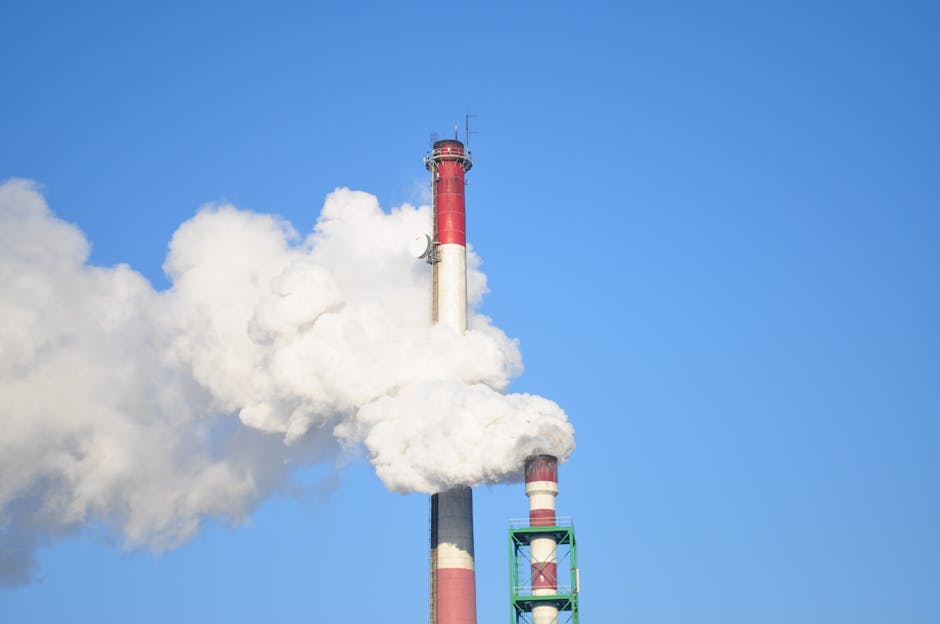
Climate policy is inherently political. Different political ideologies often result in divergent views on how to address climate change, which can lead to gridlock or polarized debates, especially in democracies. Moreover, the influence of powerful fossil fuel lobbies cannot be underestimated, as they often work to prevent or dilute legislation that threatens their interests.
Enhancing Political Will
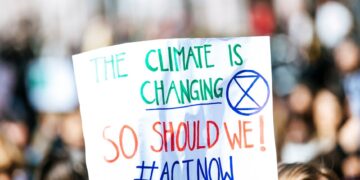
To overcome political hurdles, there needs to be an increase in political will, which can be fostered through public demand for action and improved climate education. When more voters demand action on climate change, politicians are more likely to prioritize it. Additionally, forming bipartisan alliances can help to transcend traditional political divides on climate policy.
Economic Factors
Economic challenges are also at the forefront of climate policy considerations. The transition to a low-carbon economy requires substantial investment; however, short-term economic costs often deter governments and businesses from committing fully. The fear of job losses in traditional industries such as coal, oil, and gas can also stymie support for aggressive climate policies.
Creating Economic Opportunities
Highlighting and leveraging the economic benefits of climate action can help to shift perspectives. Renewable energy sectors, for example, are rapidly becoming more economical and can offer new jobs. Policies that provide transitional support for workers moving from traditional fossil fuel jobs to new sectors in a green economy can help mitigate economic disruptions.
Social and Equity Issues
The impacts of climate change do not affect all communities equally, with marginalized and low-income groups often bearing the brunt. This unequal impact can complicate policy negotiations, as measures that are seen to disproportionately affect certain groups can be challenging to enact.
Integrating Social Equity
Incorporating equity into climate policies is essential. This involves not only protecting vulnerable communities from the adverse effects of climate change but also ensuring they benefit from new opportunities. Policies need to be crafted to distribute both the burdens and benefits of climate action equitably across different societal groups.
Global Coordination Challenges
Climate change is a global issue, but there is often a lack of coordination and varying levels of commitment among countries. This discrepancy can lead to reduced effectiveness of unilateral climate policies and concerns about economic competitiveness.
Strengthening International Cooperation
Enhanced international agreements and cooperation are required to tackle climate change effectively. Global platforms like the Paris Agreement need to be strengthened and supported by robust national commitments and transparent reporting practices. Developing mechanisms for technology transfer and financial support to lower-income countries is also crucial to ensure global participation and fairness.
Conclusion
The challenges in enacting climate policies are significant, involving a delicate balance of scientific understanding, economic calculation, political negotiation, and social equity. However, with increased collaboration, enhanced communication, and a strong commitment to equitable sustainability, progress can be made. It is imperative for all stakeholders to engage deeply with these issues, as the window for effective action is narrowing with each passing year.