Exploring the Environmental Trade-offs: Bioplastics Versus Traditional Plastics
Introduction
In the quest to mitigate environmental issues associated with plastic pollution, bioplastics have emerged as a popular alternative to traditional plastics. These innovative materials are praised for their potential to reduce reliance on fossil fuels, decrease carbon footprints, and improve waste management. However, the transition from conventional plastics to bioplastics involves complex environmental trade-offs. This article examines the benefits and challenges of bioplastics compared to traditional plastics, addressing common questions and misconceptions.
Understanding Bioplastics and Traditional Plastics
What are Traditional Plastics?
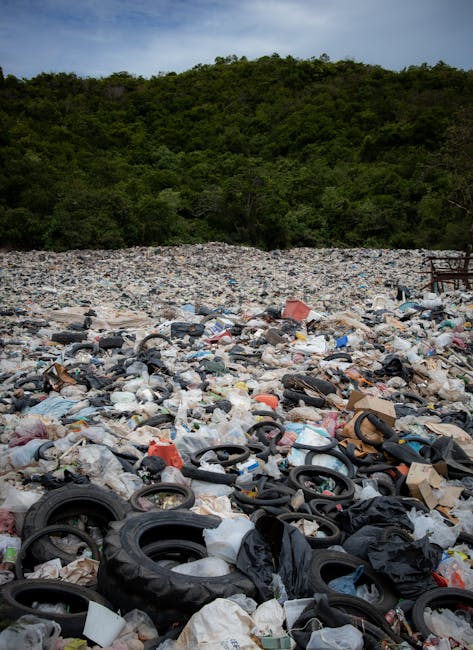
Traditional plastics are primarily made from petrochemicals, derived from fossil fuels like oil and natural gas. Common types include polyethylene (PE), polypropylene (PP), and polyethylene terephthalate (PET). These materials are known for their durability, flexibility, and low cost, but they pose significant environmental challenges due to their non-biodegradable nature and the pollution associated with their production and disposal.
What are Bioplastics?
Bioplastics, on the other hand, are made from renewable biomass sources, including corn starch, sugarcane, and cellulose. Bioplastics can be biodegradable or non-biodegradable depending on their chemical structure. Some common types of biodegradable bioplastics include polylactic acid (PLA) and polybutylene adipate terephthalate (PBAT).
Environmental Benefits of Bioplastics
Reduced Carbon Footprint
Bioplastics are often touted for their ability to reduce carbon emissions. Since they are derived from renewable resources which absorb CO2 as they grow, they can potentially help in lowering net carbon emissions. This is a stark contrast to traditional plastics, whose production intensifies greenhouse gas emissions.
Biodegradability
Some bioplastics are designed to biodegrade under certain conditions, offering a solution to the enduring issue of plastic pollution in natural environments. This feature helps in reducing landfill waste and ocean pollution, provided the bioplastics are processed under appropriate composting conditions.
Challenges Associated with Bioplastics
Resource Consumption
The production of bioplastics requires substantial amounts of agricultural resources, including land, water, and fertilizers. This can lead to environmental degradation, biodiversity loss, and competition with food production, especially if not managed sustainably.
Biodegradability Conditions
While the biodegradable nature of some bioplastics is beneficial, it also poses challenges. Many bioplastics require specific industrial composting facilities to break down efficiently. Such facilities are not available everywhere, which means that bioplastics may not always degrade as intended, potentially ending up as litter or in landfills.
Comparative Life Cycle Assessments
A life cycle assessment (LCA) is crucial to understand the overall environmental impacts of bioplastics versus traditional plastics. LCAs consider various factors, including raw material extraction, production, usage, and disposal. While some studies suggest that bioplastics can have lower environmental impacts than traditional plastics, the results can vary widely based on the type of bioplastic, its source, and the end-of-life processing.
Regulatory and Market Dynamics
The growth of the bioplastics market is influenced by governmental policies, consumer preferences, and technological advancements. Regulations that encourage the use of environmentally friendly materials can drive the adoption of bioplastics. However, the market for bioplastics also faces challenges such as high production costs and competition with conventional plastics.
Conclusion
The choice between bioplastics and traditional plastics is not straightforward due to the complex environmental trade-offs involved. While bioplastics offer several environmental benefits, they also present unique challenges that need to be addressed through technology improvements and better waste management practices.
Frequently Asked Questions
Are bioplastics completely eco-friendly?
Bioplastics can reduce some environmental impacts, particularly in terms of reducing fossil fuel use and carbon emissions. However, they are not completely eco-friendly, as their production and decomposition can still pose environmental challenges.
Can bioplastics decompose in home compost settings?
Some bioplastics can decompose in home compost settings, but many require industrial composting facilities to completely break down. It is important to check the specifications of the bioplastic and local composting options.
Are bioplastics the future of plastics?
Bioplastics are a promising alternative, but whether they are the future depends on overcoming current limitations around cost, resource use, and waste management. Ongoing research and innovation are essential for making bioplastics a sustainable and widely adopted option.
This comprehensive look at bioplastics versus traditional plastics reveals a complex picture, evidencing that while bioplastics can offer some environmental advantages, they also require careful consideration and systemic change in terms of production processes, consumption patterns, and waste management practices.