Green Power Shift: How Renewable Energy Slashes Carbon Footprints
In an era where environmental concerns dominate global discourse, transitioning to renewable energy sources has become crucial. This “green power shift” is not just a trend but a necessary step forward to reduce the carbon footprints that contribute significantly to climate change. In this detailed exploration, we delve into how renewable energy is carving a pathway to a sustainable future, addressing common queries and highlighting its impact on environmental preservation.
Understanding Carbon Footprints
A carbon footprint refers to the total amount of greenhouse gases (GHGs) emitted directly or indirectly by activities or from life cycles of products and services. Typically measured in tons of CO2 equivalents, these emissions trap heat in the atmosphere, leading to global warming and climate change. The urgency to minimize these footprints has never been more pronounced, making the role of renewable energy sources critically important.
The Role of Renewable Energy in Reducing Carbon Emissions
Renewable energy comes from natural sources that are constantly replenished, such as sunlight, wind, rain, tides, and geothermal heat. These sources stand in stark contrast to fossil fuels, which are not only depletable but are major contributors to GHG emissions. By harnessing renewables, we can significantly cut down on carbon emissions. Let’s explore how various renewable energy technologies are making a difference.
Solar Power
Solar energy, derived from the sun’s radiation, is harnessed using solar panels and photovoltaic systems. By converting sunlight directly into electricity, solar power eliminates the need for burning fossil fuels. This not only conserves natural resources but drastically reduces air pollution and carbon emissions. According to the International Energy Agency (IEA), solar power can save approximately 85 grams of CO2 per kilowatt-hour compared to conventional grid electricity.
Wind Energy
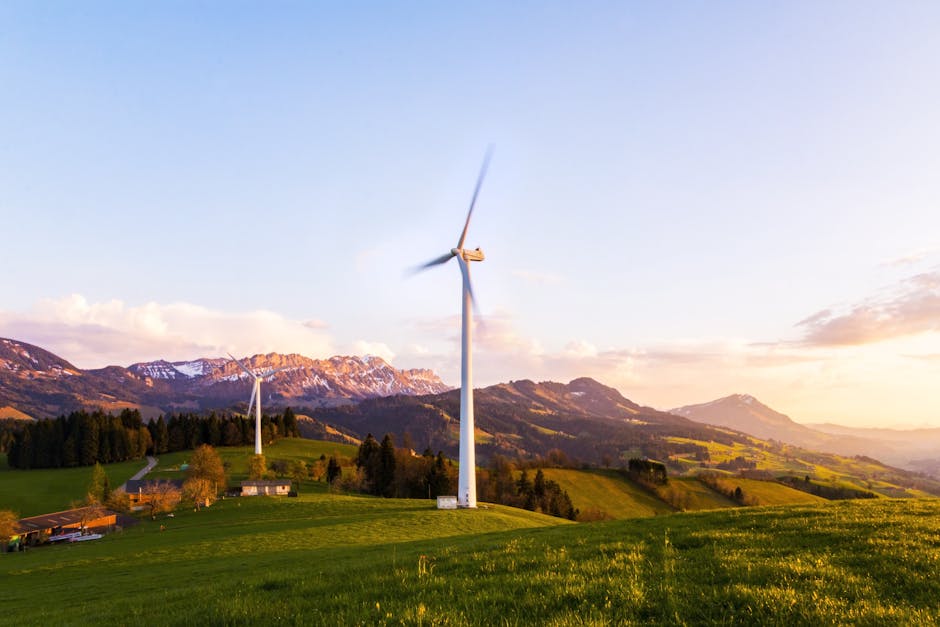
Similarly, wind energy captures the wind through turbines to generate electricity. As a clean fuel source, wind energy doesn’t produce air pollutants or greenhouse gases, and its footprint is primarily associated with construction and maintenance rather than ongoing energy production. Studies estimate that wind farms can reduce up to 9 to 12 tons of CO2 annually.
Hydropower and Beyond
Hydropower, generated from the energy of flowing water, is another potent contributor to carbon reduction. It is responsible for about 16% of the world’s electricity and is highly efficient in lowering carbon emissions as compared to fossil-fueled power plants. Other sources such as geothermal and biomass also play significant roles in a sustainable energy mix, offering both lower carbon solutions and reliability.
Global Adoption and Impact
The global shift towards renewable energy is gaining momentum. Numerous countries are setting ambitious goals to increase their share of renewables in energy production, driven by both the need to mitigate climate impacts and the economic benefits associated with clean energy technologies. Adoption rates vary, but the trajectory points firmly towards a greener future.
Economic Benefits of Renewable Energy
Switching to renewable energy is not only good for the planet but also for the economy. The sector creates jobs in manufacturing, installation, and maintenance, more so than the fossil fuel industry. It also stimulates local economies via increased energy independence and stability. Renewable energy’s scalability and declining cost further enhance its attractiveness as a sustainable economic driver.
Challenges and Future Outlook
Despite the benefits, the transition to renewable energy faces several challenges. These include technological limitations, high initial investment costs, and intermittent energy supply issues. However, ongoing research and technological advancements are progressively overcoming these hurdles.
The future of energy is green, driven by innovations and a collective commitment to sustainability. As governments, corporations, and individuals continue to recognize the importance of reducing carbon footprints, renewable energy stands out as the most effective and achievable solution.
Conclusion
The move towards renewable energy is essential for slashing carbon footprints and combating climate change. Through the adoption of solar, wind, hydro, and other renewable sources, we can safeguard our environment for future generations while fostering economic growth. The journey to a zero-carbon future is complex but necessary, making every step towards green power a stride towards sustainability.
The “green power shift” is more than just an environmental mandate; it is a holistic approach that integrates technological, economic, and societal facets to revolutionize how we think about and consume energy. By embracing this shift, we are setting the stage for a sustainable and prosperous future.